DIVISION
Disunion occurs very rapidly after the election of Lincoln. However, not all Southerners are in full agreement concerning the action taken. The movement for separation will continue to meet considerable resistance until the outbreak of hostilities at Fort Sumter, South Carolina. Opposition to secession is prevalent among planters of Whig background and of people residing in the mountains, hills and piney wood section of the South. Primary anti-secessionists include Benjamin Franklin Perry of South Carolina, Robert Jemison and William R. Smith of Alabama, William L. Sharkey and B.L.C. Wailes of Mississippi, Benjamin Hill and Hershel V. Johnson of Georgia, Sam Houston of Texas as well as Alexander Stephens of Georgia.
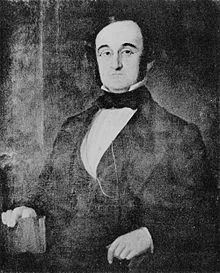
Benjamin Franklin Perry - A South Carolina State Senator who founded The Southern Patriot in 1851 to spread a Unionist message. Once the war begins, he will support the cause and be elected to the Confederate Congress.

William L. Sharkey is a judge and politician from Mississippi. Throughout the Civil War he will remain pro-Union and will only be tolerated by the Confederacy due to his reputation.

Benjamin Harvey Hill is elected to the Georgia State Senate in 1860. He argues that disunion will ultimately lead to the abolition of slavery and the downfall of Southern society. Ultimately Hill will vote for secession and will become a political ally to Jefferson Davis.
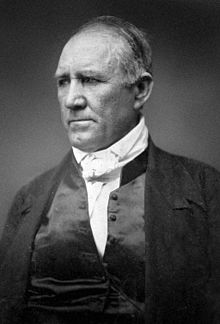
Sam Houston of Texas is a slaveholder and opposed to abolition but is also opposed to the secession of Texas from the Union. He is replaced as Governor when the state secedes and joins the Confederacy in March of 1861.
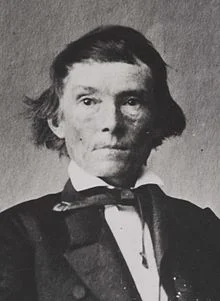
Alexander Stephens of Georgia tries to convince others to remain loyal to the Union and votes against secession. He will eventually support the cause and will become Vice President of the Confederacy.
Anti-secession leaders basically believe that Lincoln's election is not enough reason to dissolve the Union. They believe that the South will loose far more than it will gain by secession. The legality of secession is questioned with the assertion that the only basis for withdrawing from the Union is the right of revolution which should only be exercised as a last resort.